
Moving a Parent With Dementia to a Care Home
Moving is hard for anyone, and harder for someone living with dementia. A smooth move usually comes down to three things: preparing the new room and the caregivers ahead of time, keeping moving day calm and simple, and giving your parent time to settle in.
Use this checklist before, during and after the move.
Before the move
Tell the caregivers who your parent is
Share their life story, former job, family names, favorite foods and music, daily routine and what tends to upset or calm them. This helps caregivers connect from day one.
Set up the room ahead of time
Arrange familiar furniture, a favorite chair, bedding, family photos and a few treasured objects before your parent arrives, so the room already feels like theirs.
Keep explanations short and calm
Long discussions days in advance can cause worry. Many families find a simple, reassuring explanation close to the day works better. Ask the doctor or care home what they suggest for your parent.
Get the paperwork and medications ready
Bring the medication list, doctor's orders, insurance cards and emergency contacts, and confirm how refills will be handled.
Moving day
Pick your parent's best time of day
Many people with dementia are calmer in the morning. Avoid late afternoon if evenings are hard.
Keep it small and quiet
One or two familiar family members is usually better than a crowd.
Stay for a meal or an activity
Then say a warm, simple goodbye. Long or emotional goodbyes can make the first evening harder.
The first few weeks
Expect an adjustment period
Some confusion, sadness or asking to go home is common at first and often eases as routines become familiar.
Plan visits with the caregivers
Ask how often and when to visit while your parent settles in. Short, regular visits often work well.
Stay in touch with the team
Ask for updates on sleep, eating and mood, and share anything you notice.
Take care of yourself
Guilt and relief often come together. Both are normal. A support group or counselor can help.
At Era Life Home
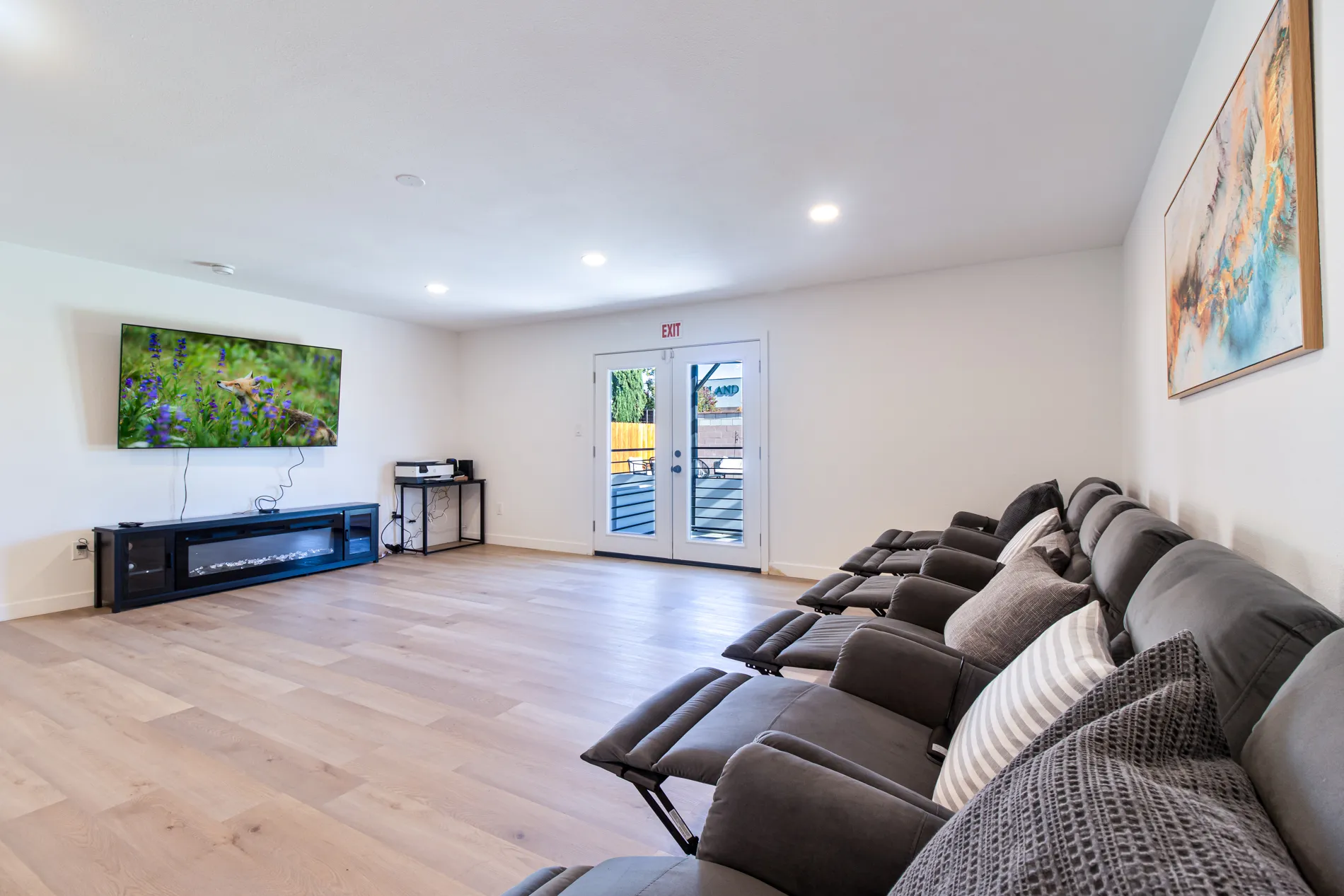
In our six-resident home in Upland, the same caregivers get to know your parent quickly and keep routines steady. Learn about our memory care, read signs it's time for memory care, or schedule a private tour.

A Home, Not a Facility
Era Life Home is a small residential care home — not a large institution. That means fewer residents, more personalized attention, and a living environment that truly feels like home. Our caregivers know each resident by name, by preference, and by heart.