Board and Care vs. Assisted Living in California
In California, board and care homes and assisted living communities hold the same state license. Both are Residential Care Facilities for the Elderly (RCFEs). The real difference is size: a board and care home is a house with a handful of residents, while an assisted living community is a larger building with many more.
Here's how that difference shows up in daily life, and how to choose.
Same license, same rules
Whatever they call themselves, board and care homes and assisted living communities in California are licensed as Residential Care Facilities for the Elderly by the Department of Social Services, Community Care Licensing Division. That means:
Both provide 24-hour non-medical care
Help with bathing, dressing, grooming, medications, meals and supervision, plus social activities.
Neither is a nursing home
RCFEs are not required to have nurses or doctors on staff. Medical care comes from outside providers such as your parent's doctor, home health or hospice, who visit the home.
Both are inspected by the state
Inspection and complaint records for any licensed home are public. Our guide on how to check a California care home's license shows you how to look them up.
The difference is size and setting
Number of residents
Board and care homes generally care for four to six residents. Communities called assisted living typically care for 16 or more, and often many more.
The building
A board and care home is a house on a residential street. Assisted living is usually an apartment-style building with private units, hallways and common rooms.
Who your parent sees each day
In a small home, the same few caregivers see the same few residents every day and get to know them well. Larger communities have bigger teams working in shifts across a bigger building.
Daily life
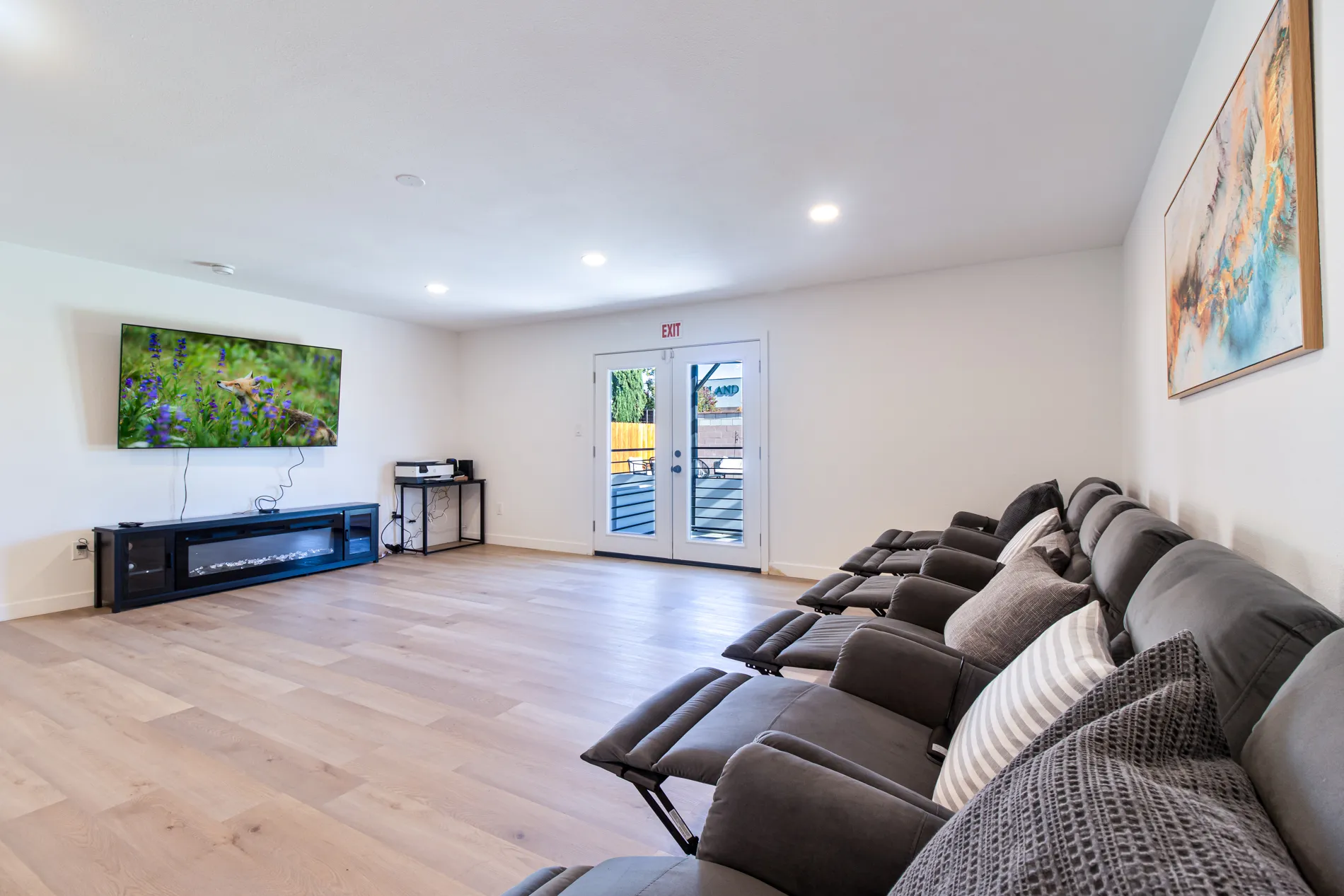
Board and care feels like family life: meals at one table, a shared living room, a backyard. Assisted living offers a dining room, a full activity calendar and more people to socialize with.
Amenities
Larger communities may have fitness rooms, salons, transportation and scheduled outings. Board and care homes keep things simple and personal.
Which is right for your parent?
Board and care often fits when your parent...
Needs a lot of hands-on help each day; becomes confused or overwhelmed in large, busy places, as many people living with dementia do; or simply prefers a quiet home with familiar faces.
Assisted living often fits when your parent...
Is still fairly independent, wants a busy social calendar, and would enjoy amenities and a larger community.
Questions to ask either kind of home
Is the license current, and what does the inspection record show?
Look it up yourself on the state's site, then ask the home about anything you find.
Who is on duty overnight?
Ask how many caregivers are in the home at night and whether they are awake.
How are medications handled?
Ask who gives medications, how doses are tracked and how the home coordinates with pharmacies and doctors.
Can my parent stay if their needs increase?
Ask about care for dementia, limited mobility and hospice, and what would require a move.
About Era Life Home
Era Life Home is a licensed board and care home in Upland, CA, with room for six residents and caregivers on site 24 hours a day. See our board and care and assisted living pages, read the FAQ, or schedule a private tour.
Sources: California Department of Developmental Services, "What is a Residential Care Facility for the Elderly"; California Department of Social Services, Community Care Licensing Division.

A Home, Not a Facility
Era Life Home is a small residential care home — not a large institution. That means fewer residents, more personalized attention, and a living environment that truly feels like home. Our caregivers know each resident by name, by preference, and by heart.